
Skywell EVs catch fire across Turkey, Chinese engineers arrive to investigate
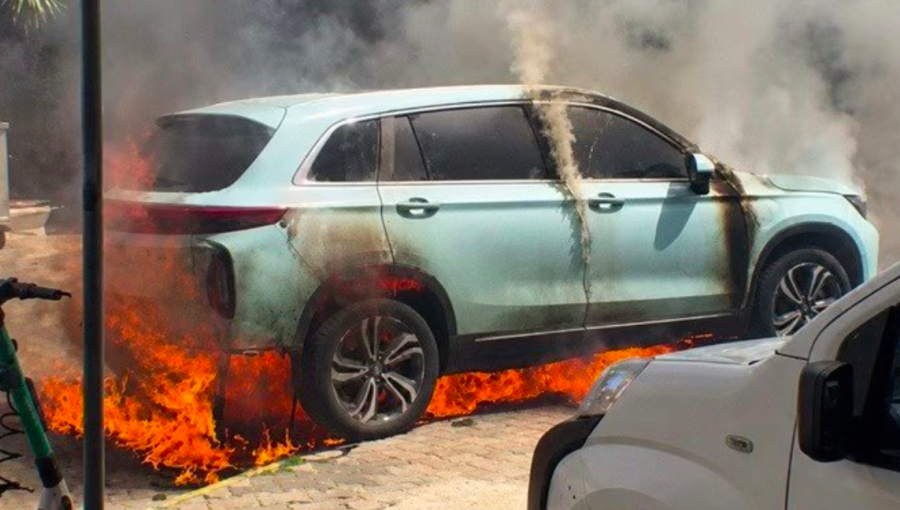
A specialist technical delegation from Chinese electric vehicle (EV) manufacturer Skywell has arrived in Turkey to investigate a rash of thermal incidents involving the company's flagship ET5 model, local daily Hurriyet has reported.
Eight documented vehicle fires over the past six months have heightened consumer anxiety and sparked fierce public debate over post-sale support. The arrival of engineers from Nanjing comes as regional distributor Ulu Motor faces an intense backlash from domestic drivers.
Owners reporting vehicle blazes claim that they were issued steep diagnostic and inspection bills prior to any technical review by the visiting Chinese team. In official correspondence delivered to affected vehicle owners, the local distributor demanded upfront fees totalling Turkish lira (TRY) 90,000 ($2,700) plus VAT for technical assessments, citing lapsed service schedules and invalidated warranty coverage.
Distributor notices further requested reimbursement for TRY 5,000 in third-party towing expenses incurred from moving damaged chassis into storage facilities.
Warranty disputes and cost demands
Ulu Motor has contested owner characterisations of the charges, clarifying in a formal response that the TRY 90,000 billing statement represents an estimated repair quotation rather than an inspection fee. However, the requirement for pre-inspection payments has caused sharp friction among buyers who contend that their vehicles were maintained strictly in accordance with manufacturer guidelines.
Distributor representatives previously attributed potential fire causes to external factors, including underbody battery housing impacts, the usage of non-standard coolant solutions, weakened 12-volt auxiliary batteries caused by deferred maintenance and unauthorised third-party software modifications designed to artificially extend the driving range.
Multiple affected owners strongly reject these claims, asserting that their cars underwent routine servicing at authorised centres and harboured no aftermarket software tweaks. Drivers have also levied broader criticisms against the distributor’s Turkish network, citing delayed maintenance turnarounds, inadequate technician training and unusually compressed service intervals compared to industry standards.
Coolant fluid under scrutiny
The debate has increasingly centred on the specific chemical composition of the thermal management fluids utilised by the Turkish distributor during routine maintenance. Industry specialists and consumer advocates are pressing for independent laboratory testing of the coolant fluid used in local workshops to determine whether standard thermal safety tolerances were compromised.
The scrutiny comes at a sensitive juncture for Chinese automotive brands expanding across emerging European and Mediterranean markets as Beijing-backed EV makers seek to capture market share through aggressive pricing.
Follow us online