
Russia's ageing reactors leave a €21bn clean-up bill it keeps putting off
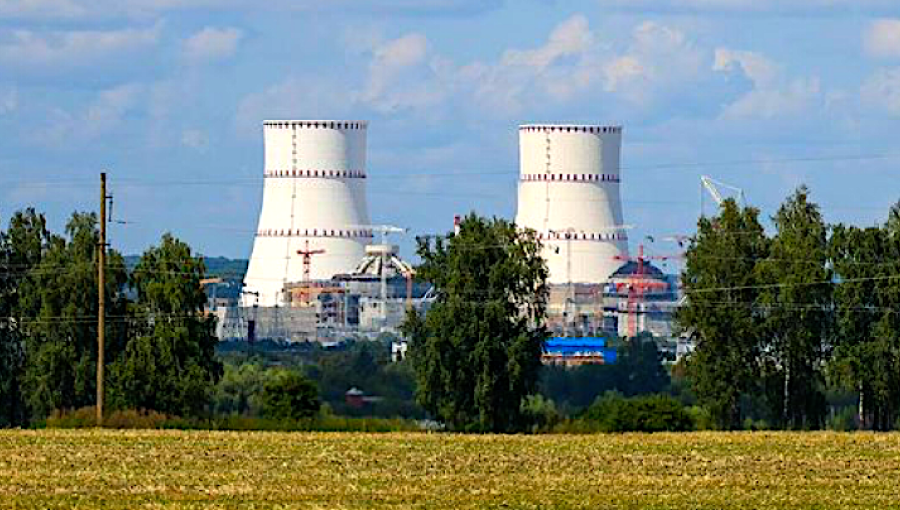
Russia is short of about €18.7bn ($21bn) to decommission 35 ageing nuclear reactors on the books of state operator Rosenergoatom, whose own estimate puts the total bill at about €21bn, Arshak Makichyan, a Russian-Armenian climate activist and political scientist, wrote in an October 4 op-ed for Al Jazeera.
Some of Russia's reactors are already more than 50 years old. Rather than dismantling them soon after shutdown, Russia often places them in long-term "safe" storage, pushing the most expensive stages of decommissioning, and much of the technical and financial risk, into the future, the author argues.
The liability is growing at the same time as Rosatom expands abroad. Nuclear exports are booming: the state corporation is building 28 power units in nine countries, from Turkey, Kazakhstan and Egypt to Bangladesh and Hungary, has agreements for 17 more and is negotiating some 50 further projects, and nuclear is one of the few parts of Russia's energy sector that Western sanctions have largely left alone.
A bill that only grows
Rosenergoatom's figures are likely to prove optimistic. Decommissioning nearly always costs far more than first planned: the former East German plant at Lubmin was originally expected to cost €1bn to dismantle and is now put at €10bn. Lithuania, which had to close the two Soviet-built reactors at Ignalina as a condition of joining the EU, shut them in 2004 and 2009; by 2020 the estimated cost had reached €3.3bn and only 49% of the work was done, and completion has slipped from 2038 to 2049.
Environmental group Bellona, citing Rosatom's own projections, says the corporation's decommissioning and remediation obligations could exceed its net profit by around 2037. The longer the work is deferred, the greater the financial, technical and safety risks become.
Russia also inherited about 774,000 cubic metres of radioactive waste from the Soviet Union, and the coming decommissioning of 36 reactor units at eight plants is expected to add another 800,000 cubic metres.
War economy first
The money may simply not be there. Defence is by far the largest single item in Russia's federal budget, environmental protection a small fraction of it, and the government has weakened environmental rules to keep the war economy running. Russia has form in leaving others to clear up: in the Kemerovo region, which produces about half its coal, waste heaps scar the landscape and some burn, and when coal companies go bust the clean-up falls to the state and local communities.
Nuclear waste and shut reactors cannot be abandoned the same way, the author warns, and countries buying Russian plants should have "a Plan B in case something goes wrong in Russia", since they may one day need maintenance or decommissioning that Moscow can no longer pay for.
Fewer people watching
Independent scrutiny inside Russia has all but disappeared. Bellona and Greenpeace have been declared "undesirable" organisations, and EcoDefence, which campaigned on nuclear issues, was designated a "foreign agent" and its members prosecuted. Vladimir Slivyak, co-chair of the now-exiled EcoDefence, warns that Europe's continued dependence on Russian nuclear technology and services could itself be used for sabotage or political pressure.
History suggests the risk is real. Soviet authorities hid the 1957 Mayak disaster and did not acknowledge it until 1989, more than three decades later, while thousands lived with the contamination, and their attempts to play down Chornobyl fed the distrust that helped bring the Soviet system down.
Follow us online