
Myanmar to import Russian LNG
Myanmar is preparing to import Russian liquefied natural gas (LNG) while Moscow is also set to supply satellite navigation, communications and Earth observation technology. The two countries signed 12 agreements and memoranda when Myanmar President Min Aung Hlaing visited Moscow in August 2026 and met Russian President Vladimir Putin at the Kremlin.
According to Irrawaddy, the deals give Russia a fresh outlet for its energy exports as Western sanctions and the war in Ukraine strain its finances. Brown said the liquid portion of Russia's National Wealth Fund fell to a record low of about $159bn on September 1. For Myanmar, the technology arrives as its armed forces fight ethnic armed organisations in a conflict dating back to independence in 1948.
The Myanmar President's Office said the gas talks also covered onward deliveries of Russian LNG to China and Thailand, which would make the country a possible regional hub. Myanmar holds proven reserves of about 22.5 trillion cubic feet of gas and exports much of its output.
In April, Russian Energy Minister Sergei Tsivilev opened energy talks with Ko Ko Lwin, Myanmar's Energy Minister, covering crude oil, LNG and petroleum products. The Myanmar side, through its Ministry of Electricity and Energy, sought long-term supply, secure transport, quality guarantees and favourable prices, and the ministry also concluded a Memorandum of Cooperation with RC-Investments.
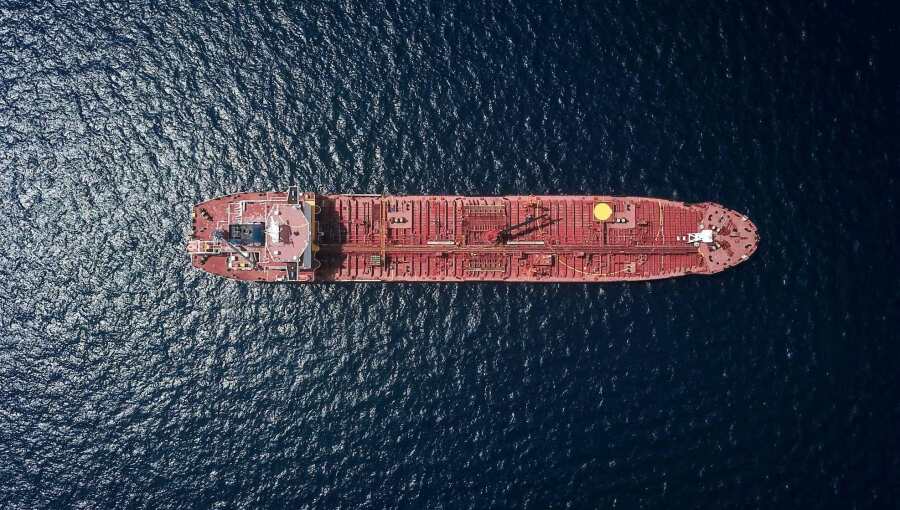
After a four-year pause, Myanmar began importing LNG again in late 2025. The cargoes originate at the Bintulu complex in Malaysia and are offloaded at the Thilawa floating storage unit close to Yangon. According to a Kpler forecast, imports in 2026 will reach roughly 0.4mn tonnes, chiefly to supply the Thanlyin and Thaketa power plants.
Russia's commitments under the Roscosmos agreement include an ASPOS opto-electronic telescope station, a COSPAS-SARSAT ground station, navigation data and stations for satellite navigation measurements, as well as help in choosing and training astronauts from Myanmar. Min Aung Hlaing held talks with Roscosmos Director General Dmitry Bakanov on August 19, covering nano-satellites, Earth observation imagery and Rassvet, a low-orbit communications system.
Bureau 1440, the developer of Rassvet and part of Russia's X Holding, describes the network's satellites as "5G base stations in orbit". The network targets an orbit of about 800 km and advertises speeds of up to 1 Gbit/s.
Follow us online