
Iraq slump drags Mediterranean growth forecast to -0.7%, EBRD says
Southern and eastern Mediterranean economies will contract 0.7% in 2026 as Iraq's oil exports slump, the European Bank for Reconstruction and Development (EBRD) said on September 24.
The London-based lender, which groups the region as SEMED, expects a 7.1% rebound in 2027, according to its latest Regional Economic Prospects report.
The forecast is a steep cut from June, when the EBRD expected the region to grow 2.5% this year. Iraq and Lebanon drive the downgrade.
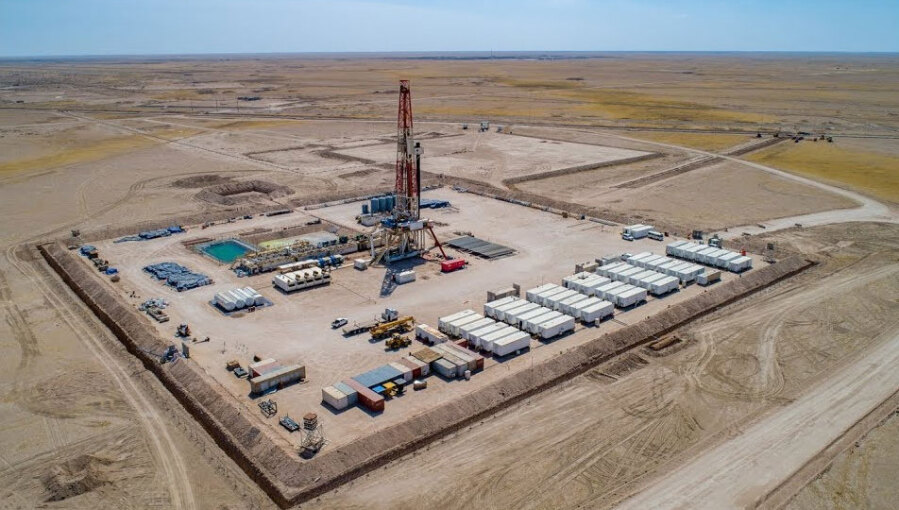
Iraq is now expected to shrink 12.0%, down from 1.5% three months ago. Baghdad halted its giant Rumaila oilfield in March as the Strait of Hormuz closure choked exports, and has since leaned on the Kirkuk-Ceyhan pipeline through Turkey.
Alternative routes have carried less than a quarter of Iraq's normal export volumes, the bank said. Excluding Iraq, regional growth is forecast at 3.9% in 2026 and 4.3% in 2027.
The export shortfall has hit government revenue and foreign-exchange reserves in an economy that depends on hydrocarbons. The EBRD expects Iraqi output to rebound 14.0% in 2027, assuming oil exports return to normal.
Lebanon's economy is forecast to shrink 5.0% this year, against a 2.0% contraction forecast in June, after hostilities with Israel resumed in the first half. Inflation doubled to about 20% year on year in April before easing to 15.7% in July. New damage, mostly in the south, adds to an $11bn reconstruction bill from earlier rounds of conflict. The bank's forecast of 4.0% growth in 2027 depends on a lasting ceasefire.
Egypt is forecast to grow 4.6% in 2026 and 5.0% in 2027. Remittances and tourism receipts rose strongly in the first quarter, and reserves hit a record after Cairo completed the seventh review of its IMF programme in July. Gross government financing needs are still put at about 50% of GDP for the 2027 fiscal year.
Morocco leads the region with 4.8% growth this year as farm output recovers from several years of drought. Jordan is forecast to slow to 2.5%, with reserves covering more than eight months of imports. Tunisia is expected to grow 2.4%, though its energy import bill rose 31.6% in January-July.
The EBRD is owned by 77 countries, the EU and the European Investment Bank, and invests in 40 economies across three continents.
Follow us online