
Iran ties Hormuz reopening to end of US strikes and naval blockade
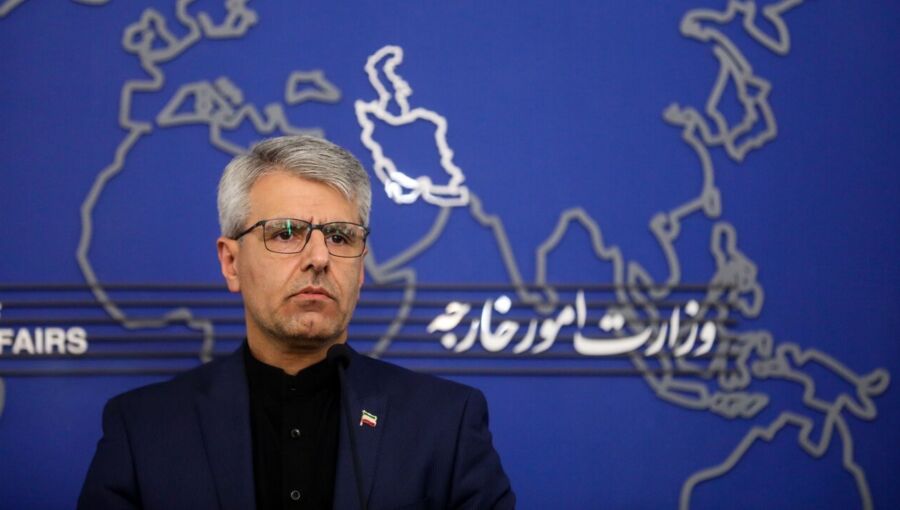
Iran will not reopen the Strait of Hormuz to normal shipping while US military action and its naval blockade against the country continue, foreign ministry spokesman Esmaeil Baghaei said, Iranian state media reported on August 2.
The conditions harden Tehran's position on the waterway it effectively closed after the war with the United States began in February, through which about a fifth of the world's seaborne oil passes, signalling that a technical deal with Oman on shipping lanes will not by itself restore traffic. The Iranian official's comments also follow Donald Trump's statement that talks were underway later on August 3.
Baghaei said the strait's problem stemmed not from any Iran-Oman disagreement but from what he called US and Israeli military aggression since February.
"Agreement on a safe transit route is a necessary condition for reopening the Strait of Hormuz, but it is not a sufficient one," Baghaei said, according to the report. He said that as long as US actions, the naval blockade and what he described as aggression against Iran continued, no particular change in the strait's status should be expected.
Baghaei said Iran was not holding negotiations with the United States, and that the current talks were with Oman and focused on agreeing a temporary route to provide for safe passage through the strait.
He characterised these as bilateral talks between two coastal states, adding that others could play a constructive or destructive role but that the core matter concerned Iran and Oman.
The spokesman said matters relating to Iran and the United States would have to be examined at later stages depending on how the situation developed.
Baghaei used the briefing to accuse the United States of continuing to cause civilian casualties, citing what he said were the deaths of a taxi driver and members of his family on Qeshm island, and of several Iranian nationals killed in a US air strike in Iraq.
He also referred to the killing of a 23-year-old man from the northern port of Bandar Anzali in an attack on an Iranian merchant vessel in the Caspian Sea, which he attributed to Israel. The accounts could not be independently verified.
Baghaei said the foreign ministry's diplomatic activity was continuing at regional and wider levels, aimed at protecting Iran's national interests and security.
Trump said negotiations with Iran would resume on August 3 after he held off on a strike he had threatened over the weekend, telling reporters aboard Air Force One that a deal to end the war was imminent, several US outlets reported on August 3.
Trump said the emerging framework would include the immediate and total reopening of the Strait of Hormuz and an end to what he termed Iran's nuclear threat, and that Israel had joined the commitment to hold off on strikes while terms were worked out. He said Iran wanted an agreement, adding that this remained to be tested.
A regional official involved in the mediation said the proposal called for the United States and Iran to return to talks, for the reopening of the strait and a halt to attacks across the region including by Iran-backed militias, and in exchange for Washington to lift its naval blockade and allow Iran to export oil under the terms of the earlier ceasefire.
Iran's Foreign Minister Abbas Araghchi separately described parallel negotiations with Oman over the strait as in their final stages, telling the cabinet the talks were on the way to being finalised. The foreign ministry spokesman Esmaeil Baghaei said Iran had no direct negotiations with the United States and that agreement on a safe-passage route was necessary but not sufficient to reopen the waterway while US military action continued.
The United States and Israel attacked Iran on February 28, igniting a war during which Tehran laid claim to the Strait of Hormuz, through which about a fifth of the world's seaborne oil passes. An April ceasefire led to a memorandum of understanding signed in June, but implementation stalled in a dispute over shipping routes and fighting resumed in July.
Follow us online